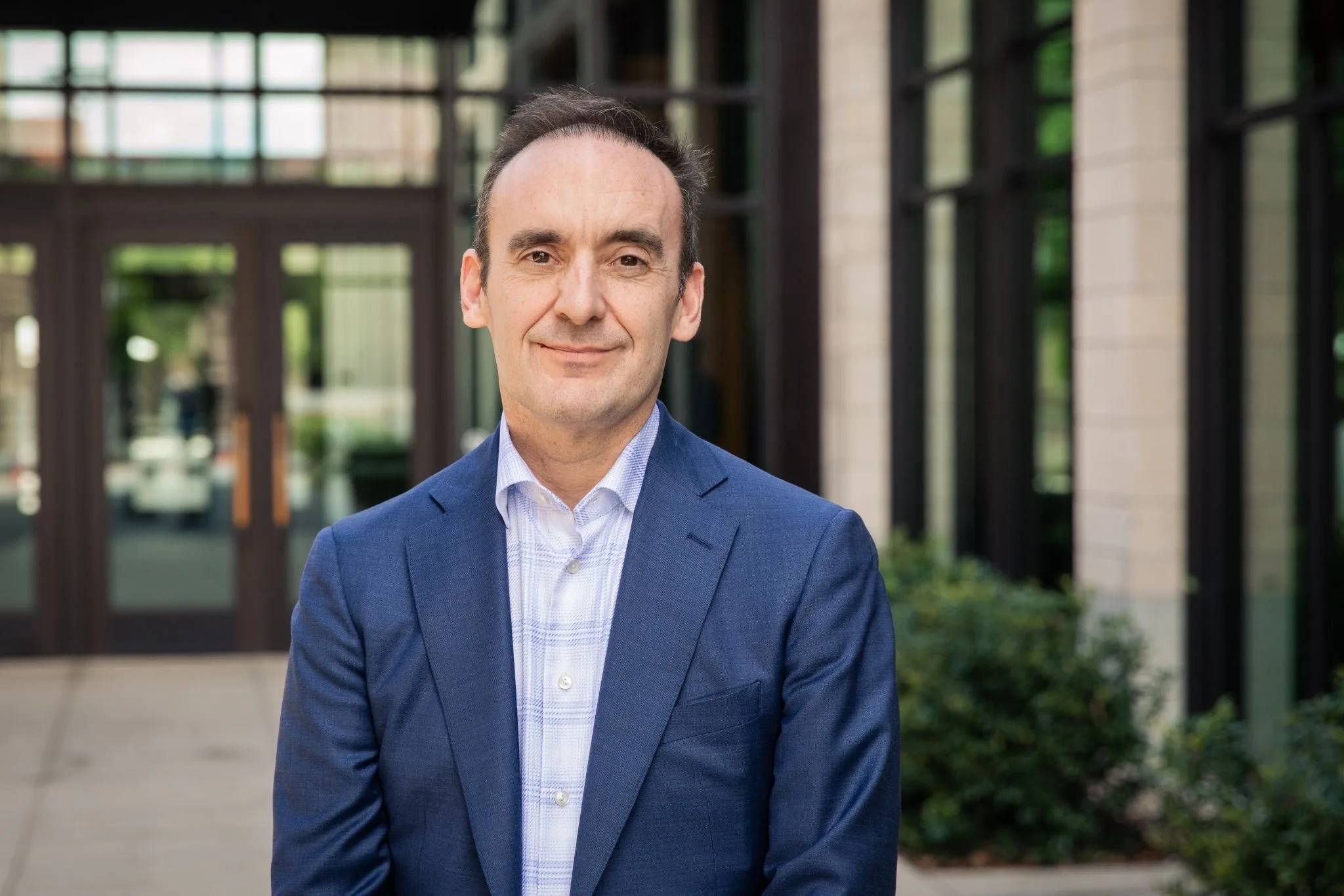
Biography
Chris Raggio looks at the world through the lens of an engineer: you see a need, and you build a way to fill it. It’s a mindset he carried from his early days as an engineer into the halls of medical school, where he earned his MD from the University of Mississippi before training in psychiatry.
But practicing medicine revealed a frustrating reality. While engineering relies on deliberate design, modern medicine still relies heavily on happy accidents, trial-and-error, and observation without objective tools. Chris realized that if we want to truly revolutionize healthcare, especially how we develop life-saving pharmaceuticals, we have to stop waiting for accidental breakthroughs. We need to start engineering biology with intention.
Driven by this conviction, Chris shifted his focus to backing the future of human health. Through his family office, Federov, he began investing in undervalued, contrarian science and technology—including early bets on Bitcoin and synthetic biology. His commitment to the field deepened when he invested in and ultimately acquired the synthetic biology company Avery Bio, becoming an active, familiar face in the SynBioBeta community.
The final piece of the puzzle clicked during a walking tour with Drew Endy at his lab at Stanford, where the legendary scientist casually mentioned the concept of an “operating system for biology.” It was the exact framework Chris had been searching for. When he discovered Kate Adamala’s groundbreaking research on synthetic cells, and saw how deeply this foundational science struggled to find traditional funding, he knew he had to act.
Chris co-founded Biotic to build the open infrastructure that will make synthetic cell engineering accessible to the world. He views his role not as a corporate spokesperson, but as a quiet steward, championing Kate, Drew, and the broader scientific community. For Chris, Biotic isn’t just a non-profit; it’s the realization of a lifelong belief that the future of medicine shouldn’t be left to chance.
Selected Talks
- 2025
- 2024